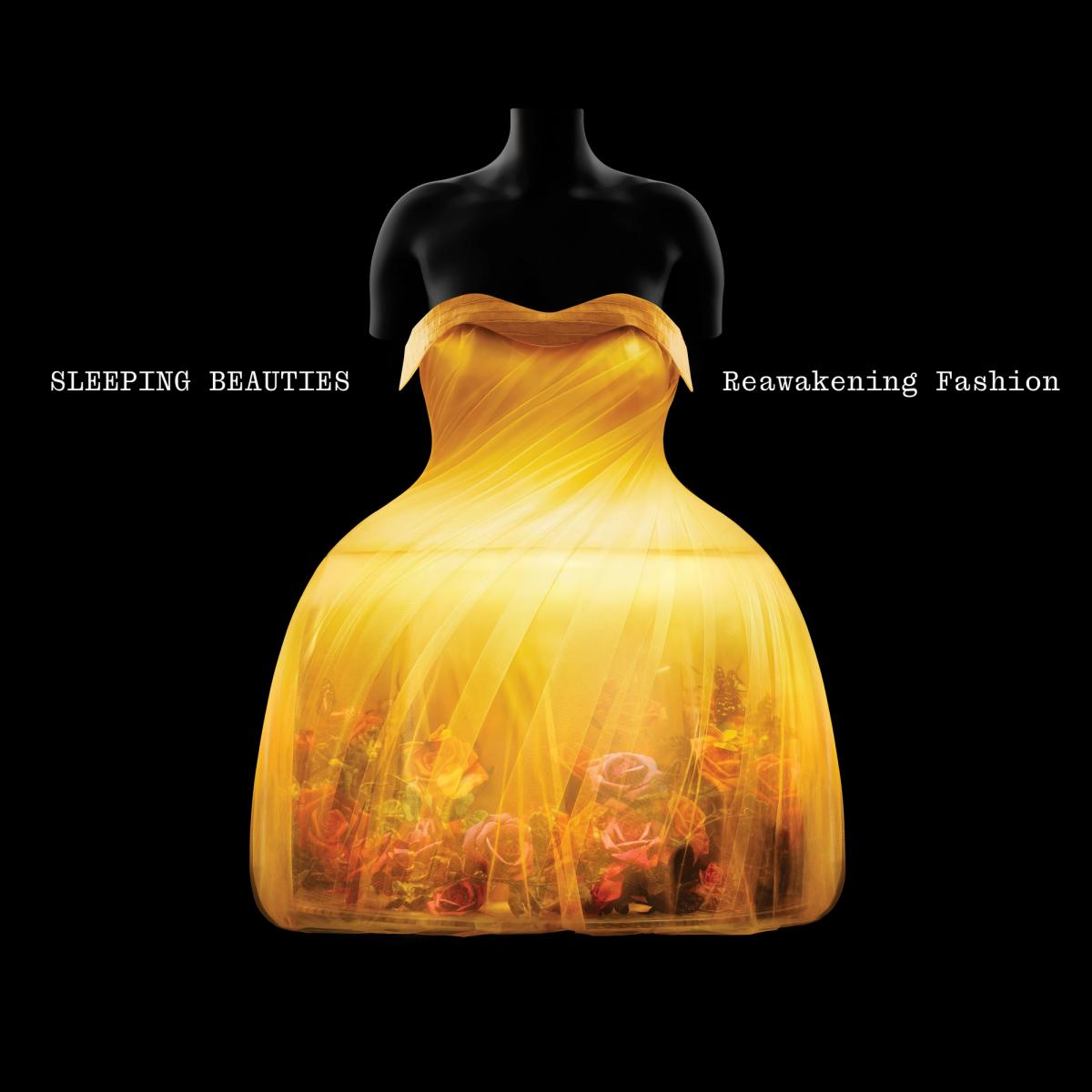
Jun Takahashi for Undercover, Dress, spring/summer 2024. Courtesy Undercover. Photography © Nick Knight, 2024. Source: The Metropolitan Museum of Art.
An old dress can look remarkably new in a photograph. Good lighting helps. So does a person who knows exactly where to put an elbow. The date appears in the caption, everyone admires the return, and a complicated object briefly becomes a very tidy story.
Archive fashion makes that tidiness worth questioning. Seeing a garment again tells us something about its continued appeal. It tells us much less about what has happened to the garment, or what it now needs from the people looking after it.
The Metropolitan Museum of Art's 2024 exhibition Sleeping Beauties: Reawakening Fashion explored clothing through sound, movement and scent. Some garments were too fragile for mannequins. Its question remains useful: how much of clothing survives when we encounter it chiefly as an image?
A photograph can be wonderfully precise about a surface and wonderfully unhelpful about everything holding that surface together. A seam can be hidden. Weight has to be inferred. A beautifully arranged skirt offers no reliable account of climbing stairs in it. There is quite a lot of clothing between standing still and arriving at a chair.
None of this makes the photograph inadequate. It gives it a particular job. Light can separate a fold from the fabric behind it; a camera position can make a silhouette legible in a way a busy room never quite allows. These are discoveries, too. But the more persuasive the picture, the easier it becomes to mistake a clear view for a complete understanding.
In the promotional image, a yellow dress glows against black, with flowers inside its rounded skirt. The credit identifies Jun Takahashi's Undercover design, spring/summer 2024, with clear resin, silk flowers and tulle among its materials. The photograph alone would leave that inventory open to some fairly imaginative guesswork.
That distinction matters when the words “archive” and “reworn” travel with an image. They can refer to different histories: an older design, an actual surviving garment, a recreation, a later appearance. Before a dress becomes evidence for a larger argument, it is worth knowing which history belongs to it. Admiration doesn't need to be cancelled while the details catch up.
There is also no way to calculate a whole environmental story from one return to the red carpet. The photograph records an appearance. Claims about production, transport or conservation require other evidence.
Perhaps the most interesting second look is the less glamorous one: what was needed to make this appearance possible? That question leaves room for the wearer, the maker, the wardrobe team and the people who have kept the garment intact. It also leaves room simply to enjoy the dress. The caption can carry a little more of the work.